


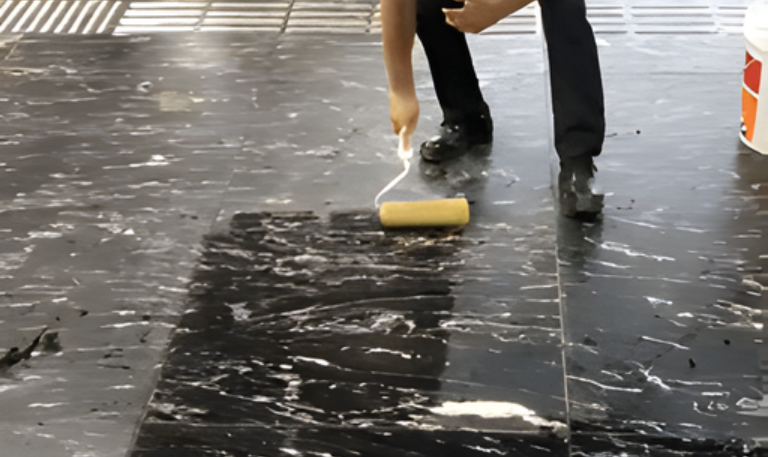
A home should be a comfortable and safe place for everyone. However, everyday activities such as bathing, cooking, climbing stairs and walking across a wet entrance can create unexpected slipping hazards. Smooth tiles, polished marble, water spills and cleaning residue can all affect how securely people walk across a floor.
These hazards deserve particular attention in homes with children, older adults, visitors or anyone who may have difficulty maintaining their balance. The good news is that many common risks can be reduced through better cleaning habits, suitable flooring, improved lighting and practical safety measures.
In this guide, we explore five common places where slip accidents happen at home and explain how to make these areas safer.
1. Bathrooms: Wet Tiles and Soap Residue
Bathrooms are a key area to inspect because water, shampoo, soap and cleaning products can make flooring slippery. Stepping in and out of a shower or moving around a wet bathroom may increase the chance of losing balance.
Common bathroom slip hazards
- Wet ceramic, porcelain or vitrified tiles
- Soap and shampoo residue
- Water collecting near showers or bathtubs
- Poor drainage and leaking taps
- Loose or poorly secured bathroom mats
- Limited lighting during nighttime visits
How to prevent bathroom slips
Keep the floor as dry as practical. Remove standing water after bathing and address leaks promptly.
Choose suitable bathroom flooring. When renovating, select a floor with verified slip-resistance performance for wet conditions rather than relying on appearance alone.
Secure bathroom mats. Use mats with reliable non-slip backing and check that they do not move or curl at the edges.
Install grab bars where needed. Securely fitted grab bars near the shower or toilet can provide support when entering, exiting or changing position.
Consider professional anti-slip treatment. If existing tiles are slippery, a qualified professional can assess whether a compatible treatment could improve traction.
3. Staircases: A Small Slip Can Have Serious Consequences
Staircases deserve special attention because a loss of balance can result in a fall across several steps. Smooth stair treads, wet footwear, poor lighting and missing or loose handrails can increase the risk.
Common staircase slip hazards
- Polished stone or tile steps
- Water carried in on footwear
- Worn or damaged stair treads
- Poor lighting and shadows
- Loose runners or stair coverings
- Missing or unstable handrails
- Objects left on steps
How to prevent staircase slips
Install secure handrails. Make sure handrails are firmly fixed and easy to hold.
Improve lighting. Ensure that the top, bottom and individual steps are clearly visible, including during nighttime use.
Keep stairs clear. Remove shoes, toys, bags and other objects from the steps.
Repair damaged surfaces. Loose tiles, cracked edges and uneven treads should be inspected and repaired.
Assess the stair finish. If polished stairs feel slippery, seek professional advice about suitable slip-resistant measures for the material and stair design.
Avoid relying on loose adhesive strips or coverings without checking that they are appropriate, securely fitted and maintained.
4. Entrances and Foyers: Water Brought in From Outside
The entrance is where outdoor moisture, dirt and debris first enter the home. During rainy weather, wet shoes can transfer water onto smooth marble, granite or tile flooring. A small wet patch near the door can create a slipping hazard for family members and visitors.
Common entrance slip hazards
- Rainwater carried in on shoes
- Wet or muddy footwear
- Smooth polished flooring
- Loose doormats
- Water collecting near doorways
- Dim lighting around entrance steps
- How to prevent entrance slips
Use a secure absorbent doormat. Choose one that stays in place and does not curl at the edges.
Remove water promptly. Dry wet patches and check the area after heavy rain or when visitors enter.
Create a designated footwear area. Keep wet shoes away from the main walking route.
Improve visibility. Ensure that entrance steps, floor-level changes and thresholds are easy to see.
Review polished flooring. Where an entrance remains slippery despite regular cleaning, consider a professional assessment of its slip resistance.
5. Balconies, Terraces and Outdoor Walkways: Rain and Standing Water
Balconies and outdoor walkways are exposed to changing weather conditions. Rainwater, standing water, algae or other surface contamination can affect traction, especially on smooth tiles or stone.
These areas can be particularly concerning when drainage is poor or when the floor slopes toward a frequently used doorway.
Common outdoor slip hazards
- Rainwater on smooth tiles
- Poor drainage and standing water
- Algae or organic growth in damp areas
- Slippery steps between indoor and outdoor spaces
- Worn or damaged tile surfaces
- Insufficient lighting at night
How to prevent outdoor slips
Check drainage regularly. Clear blocked drains and arrange repairs if water repeatedly accumulates.
Remove organic buildup safely. Use suitable cleaning methods for the surface and address the conditions that allow algae or other growth to return.
Choose outdoor-appropriate flooring. Flooring should be suitable for the expected weather, moisture and intended use.
Keep transitions visible. Make changes in level between the home and balcony easy to identify.
Consider surface treatment where appropriate. A compatible anti-slip treatment may be worth assessing for existing outdoor tiles or stone that become slippery when wet.
Why Temporary Solutions Aren’t Enough
Many homeowners rely on rubber mats or frequent mopping to reduce slips. While these methods help temporarily, they often fail to provide consistent protection.
Mats can move out of place, and regular cleaning doesn’t permanently improve floor grip.
That’s why more homeowners are turning to advanced anti-slip floor technologies for lasting safety.
A Modern Solution for Safer Homes
Advanced nano anti-slip treatments are designed to improve traction on slippery surfaces without changing the color, texture, or shine of the flooring.
Solutions like IguanaGrip work effectively on:
- Bathroom tiles
- Kitchen floors
- Marble
- Granite
- Vitrified tiles
- Staircases
- Balconies
The treatment creates microscopic grip enhancement that helps reduce slip risks even when the floor is wet.
Final Thoughts
Slip accidents can happen in everyday places around the home, particularly in bathrooms, kitchens, staircases, entrances and outdoor areas. Wet floors, smooth finishes, cleaning residue and poor drainage can all contribute to slipping hazards.
The most effective approach is to identify the risks, clean spills promptly, improve lighting, keep walking routes clear and choose flooring suited to each environment. Where an existing floor remains slippery, professional assessment can help determine whether repairs, replacement or a compatible anti-slip treatment is appropriate.
Want to make your home’s floors safer? Contact IguanaGrip to discuss your flooring surface and explore suitable anti-slip treatment options.