


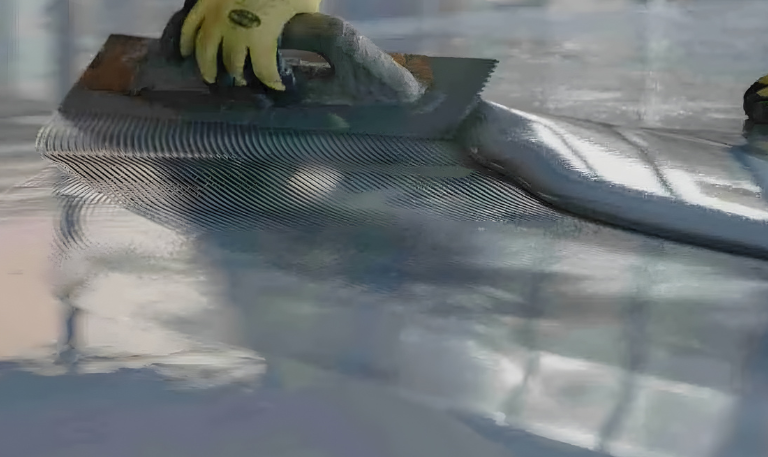
Slippery floors can create safety concerns in homes, hotels, hospitals, offices, restaurants, shopping malls, and other commercial properties. When an existing marble, granite, ceramic, or vitrified floor becomes slippery, property owners often consider two options: anti-slip floor treatment or complete floor replacement.
Replacing the flooring can provide a new surface, but it may involve demolition, material costs, labour, disposal, downtime, and changes to the appearance of the property.
An anti-slip treatment offers another approach by improving the traction of suitable existing flooring without completely removing and replacing it.
So, which option should you consider?
The answer depends on the condition of the existing floor, the reason for the slip risk, the required level of protection, the property’s usage, and the desired appearance.
Understanding the Problem
Many people assume that slippery floors are caused by old or damaged flooring. However, the real issue is often the surface finish rather than the flooring material itself.
Common causes of slippery floors include:
- Polished marble surfaces
- Glossy vitrified tiles
- Smooth granite flooring
- Water and moisture exposure
- Soap and detergent residue
- Wax and polish build-up
- Surface wear over time
If the flooring is structurally sound, replacing it may not be necessary.
What Is Floor Replacement?
Floor replacement involves removing existing flooring and installing new materials such as:
- Anti-skid tiles
- Textured ceramic tiles
- Natural stone with rough finishes
- Specialized non-slip flooring
Although replacement can improve traction, it comes with significant costs and disruptions.
Advantages of Floor Replacement
- Completely new flooring appearance
- Opportunity to upgrade interior design
- Can address damaged or cracked flooring
- Disadvantages of Floor Replacement
- High material costs
- Labor-intensive process
- Construction mess and dust
- Extended project timelines
- Business or household disruption
- Disposal of old flooring
For many homeowners, replacing an entire floor simply to improve grip is not a practical option.
What Is an Anti-Slip Treatment?
An anti-slip treatment enhances the traction of existing floors without removing or replacing them.
Modern treatments use advanced technology to increase surface friction, helping reduce the risk of slips and falls while preserving the original appearance of the floor.
These treatments can be applied to:
- Marble
- Granite
- Vitrified tiles
- Ceramic tiles
- Porcelain tiles
- Stone flooring
1. Cost Comparison
Floor Replacement
Replacing flooring involves:
- Demolition costs
- Material expenses
- Labor charges
- Transportation costs
- Installation fees
For large homes or commercial spaces, expenses can become substantial.
Anti-Slip Treatment
Anti-slip treatments utilize the existing floor, eliminating demolition and replacement costs.
Winner: Anti-Slip Treatment
2. Installation Time
Floor Replacement
The process may take several days or even weeks depending on the project size.
It often involves:
- Removing old flooring
- Surface preparation
- Installation
- Grouting and finishing
- Anti-Slip Treatment
Most professional treatments can be completed quickly with minimal disruption.
Winner: Anti-Slip Treatment
3. Appearance
Floor Replacement
New flooring changes the look and style of your space.
While this can be beneficial during renovations, it may not be desirable if you already have premium marble or granite flooring.
Anti-Slip Treatment
Modern nano-based treatments maintain the original color, texture, and appearance of the floor.
Winner: Anti-Slip Treatment
4. Safety Performance
Floor Replacement
Anti-skid flooring provides excellent traction but often requires significant investment.
Anti-Slip Treatment
Professional treatments can substantially improve slip resistance on existing surfaces.
Winner: Tie (depending on the quality of treatment and flooring)
5. Maintenance Requirements
Floor Replacement
Textured floors may trap dirt and require more intensive cleaning.
Anti-Slip Treatment
Most advanced treatments maintain easy cleaning routines while improving traction.
Winner: Anti-Slip Treatment
6. Business and Household Disruption
Floor Replacement
Renovation work can disrupt daily activities for extended periods.
Anti-Slip Treatment
Treatment is typically completed without major interruptions.
Winner: Anti-Slip Treatment
When Should You Consider Floor Replacement?
Floor replacement may be necessary if:
- Tiles are cracked or broken
- Flooring is structurally damaged
- Water damage has affected the subfloor
- Major renovations are already planned
- You want a complete design makeover
In these situations, replacing the flooring may be the most practical long-term solution.
When Is Anti-Slip Treatment the Better Choice?
Anti-slip treatment is ideal when:
- Floors are in good condition
- The primary concern is slipperiness
- You want a cost-effective solution
- You wish to preserve premium flooring
- Minimal downtime is important
- You need quick safety improvements
For most homeowners and businesses, anti-slip treatment provides the best balance of safety, convenience, and affordability.
Why Nanotechnology Is Changing Floor Safety
Traditional solutions such as mats, tapes, and coatings often provide only temporary results. Modern nanotechnology-based treatments improve traction at a microscopic level without affecting the floor’s appearance.
Solutions like IguanaGrip’s anti-slip nanotechnology treatment work effectively on:
- Marble floors
- Granite surfaces
- Ceramic tiles
- Vitrified tiles
- Bathrooms
- Kitchens
- Staircases
- Commercial walkways
The treatment enhances grip while preserving the beauty of existing flooring.
Cost Savings Beyond Installation
Choosing anti-slip treatment instead of replacement can also help reduce:
- Renovation expenses
- Material waste
- Downtime costs for businesses
- Maintenance costs associated with textured replacement flooring
In addition, preserving existing floors is a more environmentally responsible choice compared to complete replacement.
Final Thoughts
For most properties, anti-slip treatment is the smarter and more economical solution when the flooring is still in good condition.
While floor replacement may be necessary for damaged or outdated surfaces, it is often an expensive approach to solving a slip-resistance problem.
A professional anti-slip treatment can improve safety, maintain aesthetics, reduce costs, and minimize disruption—making it an attractive option for homeowners, businesses, hotels, hospitals, and public facilities alike.
If your floors are slippery but otherwise in excellent condition, enhancing traction through a specialized anti-slip treatment may be the most practical investment you can make for long-term safety.