


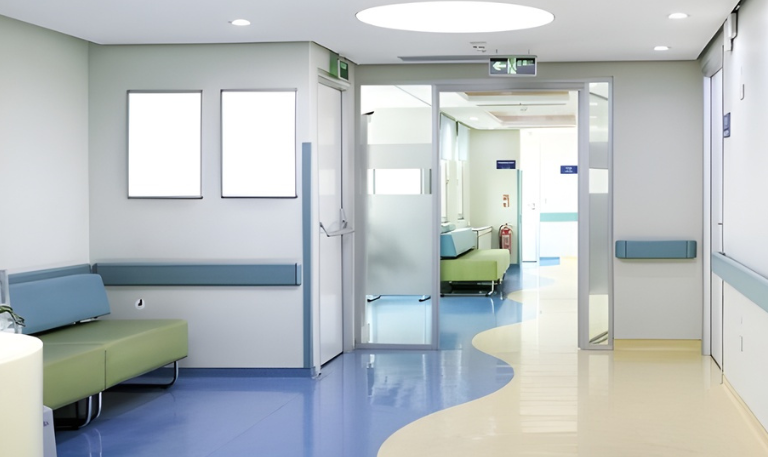
Hospitals are designed to provide safe environments for patients, healthcare professionals and visitors. However, one often-overlooked hazard lies beneath their feet: slippery floors. Wet corridors, recently mopped surfaces, smooth tiles and cleaning residue can create conditions that increase the risk of slips and falls.
For patients recovering from surgery, older adults and people with mobility difficulties, a fall can have serious consequences. Healthcare workers may also face injuries when moving quickly between wards, treatment rooms and emergency areas.
Understanding the causes of slippery hospital floors and implementing appropriate prevention measures are essential parts of maintaining a safer healthcare environment.
1. Water Spills and Wet Surfaces
Water from handwashing areas, leaking equipment, patient bathrooms and cleaning activities can make smooth floors slippery. Even a thin layer of moisture may reduce traction on certain surfaces.
Prevention measures:
- Clean spills promptly using approved procedures.
- Place appropriate warning signs around temporary hazards.
- Inspect areas near sinks, drinking water stations and bathrooms.
- Address leaks and drainage problems quickly.
2. Frequent Mopping and Floor Cleaning
Regular cleaning is essential for infection prevention, but freshly mopped floors can temporarily become slippery. Poorly controlled cleaning schedules or excessive moisture can increase the exposure of patients and staff to wet surfaces.
Prevention measures:
- Use cleaning methods suitable for the flooring material.
- Schedule routine cleaning to minimise disruption where possible.
- Control access to wet areas until they are safe to use.
- Follow the cleaning product’s dilution, application and drying instructions.
Floor safety procedures must remain consistent with the facility’s infection prevention requirements.
3. Smooth or Highly Polished Flooring
Polished stone, ceramic tiles and other smooth flooring materials may provide insufficient traction under wet or contaminated conditions. A surface that performs adequately when dry may behave differently when exposed to water or cleaning products.
Prevention measures:
- Assess flooring performance under the conditions in which it is used.
- Review the manufacturer’s slip-resistance information.
- Identify high-risk locations such as bathrooms, entrances and wash areas.
- Consider compatible anti-slip treatments or alternative flooring where appropriate.
4. Cleaning Chemicals and Residue
Disinfectants, detergents and other cleaning products are necessary in healthcare settings. However, incorrect dilution, unsuitable products or residue left behind can affect floor traction.
Prevention measures:
- Follow the manufacturer’s cleaning instructions.
- Use products approved for the facility’s hygiene requirements and flooring material.
- Avoid mixing chemicals or using unapproved cleaning methods.
- Investigate recurring slipperiness after cleaning.
- Cleaning effectiveness and slip resistance should be considered together when selecting products and procedures.
5. Leaks and Poor Drainage
Bathrooms, utility rooms, kitchens and areas near medical equipment may develop persistent wet patches because of leaking pipes, faulty connections or inadequate drainage.
Prevention measures:
- Inspect plumbing and equipment connections regularly.
- Repair leaks without unnecessary delay.
- Check drains for blockages.
- Investigate recurring water accumulation and correct the underlying cause.
- Anti-slip treatment cannot replace necessary plumbing or drainage repairs.
6. High Foot Traffic and Contaminants
Hospital entrances and corridors experience constant movement. Water brought in on footwear, dust, dirt and other contaminants can affect traction and increase the need for regular floor maintenance.
Prevention measures:
- Keep entrances clean and dry.
- Use suitable entrance matting that is securely installed and regularly maintained.
- Inspect busy corridors and waiting areas throughout the day.
- Keep walkways clear of equipment, cables and other obstructions.
7. Flooring That Is Unsuitable for the Intended Area
Different hospital areas have different requirements. A corridor, patient bathroom, laboratory and commercial kitchen may be exposed to different levels of moisture, contaminants, cleaning chemicals and foot traffic.
Prevention measures:
- Select flooring according to the area’s intended use.
- Evaluate slip resistance under realistic operating conditions.
- Check compatibility with required cleaning and disinfection procedures.
- Consult qualified flooring and safety professionals before making changes.
Which Hospital Areas Need Particular Attention?
Patient Bathrooms and Shower Areas
Bathrooms can present increased slip risks because of water, soap and limited space for movement. Appropriate slip-resistant flooring, secure grab bars, accessible layouts and prompt spill management can help reduce hazards.
Hospital Corridors and Walkways
Corridors must accommodate patients, staff, wheelchairs, stretchers and medical equipment. Regular inspections, clear access routes and careful management of wet floors are important for safe movement.
Operating and Treatment Areas
Clinical areas have specific hygiene and operational requirements. Any flooring treatment or maintenance procedure must be compatible with the facility’s cleaning protocols and the intended use of the room.
Entrances and Reception Areas
Rainwater, moisture from footwear and frequent foot traffic can make entrance flooring slippery. Effective entrance matting, drainage, inspection and prompt cleaning can help manage these risks.
Kitchens, Laundry Rooms and Utility Areas
Water, grease, detergents and other contaminants may accumulate in service areas. These locations require suitable flooring, task-specific cleaning procedures and prompt attention to spills.
Practical Strategies for Hospital Slip and Fall Prevention
A structured floor-safety programme helps healthcare facilities identify risks before they result in an incident.
Conduct Regular Floor Inspections
Inspect high-risk areas for standing water, damaged flooring, loose tiles, worn finishes and cleaning residue. Document recurring problems so they can be addressed at their source.
Establish Clear Wet-Floor Procedures
Staff should know how to report spills, isolate hazards, display warning signs and reopen areas safely. Warning signs are useful temporary controls, but they should not replace prompt cleaning and proper hazard management.
Train Cleaning and Maintenance Teams
Provide training on approved cleaning products, correct dilution, floor-specific maintenance and safe work practices. Staff should also know how to report persistent slipperiness or surface deterioration.
Assess Slip Resistance
Where concerns persist, arrange an appropriate assessment of the floor’s slip resistance. Testing should use a method suitable for the flooring material and the expected wet or dry conditions.
Review Flooring and Treatment Compatibility
Before applying a coating or surface treatment, verify that it is compatible with the existing flooring, cleaning chemicals and hygiene requirements. Evaluate its performance before adopting it across the facility.
Can Anti-Slip Floor Treatment Improve Hospital Floor Safety?
When a floor remains slippery despite appropriate cleaning and maintenance, a compatible anti-slip treatment may be worth evaluating.
IguanaGrip offers nanotechnology-based anti-slip floor treatment designed to improve traction on suitable surfaces. Its healthcare applications may include selected corridors, bathrooms, entrances and other flooring areas, subject to a site assessment.
Potential benefits of a suitable treatment include:
- Improving traction on compatible existing flooring.
- Helping address slip risks without necessarily replacing the entire floor.
- Preserving the appearance of suitable surfaces.
- Supporting a broader floor-safety and maintenance programme.
- However, not every treatment is appropriate for every hospital floor. Healthcare facilities should verify compatibility with flooring materials, disinfectants, cleaning procedures, accessibility requirements and clinical hygiene protocols.
Any treatment should be assessed for actual slip-resistance performance under relevant conditions. It should complement, rather than replace, spill management, staff training, routine inspections and other preventive measures.
How to Choose an Anti-Slip Solution for a Healthcare Facility
Before selecting a hospital floor treatment, consider the following:
Flooring compatibility: Confirm that the solution is suitable for the existing surface.
Slip-resistance performance: Request relevant test results and understand the conditions under which they were obtained.
Hygiene requirements: Confirm that the treated surface can be cleaned and disinfected using approved procedures.
Patient accessibility: Ensure that the treatment does not introduce unsuitable roughness, trip hazards or other accessibility problems.
Application requirements: Understand preparation, curing time, access restrictions and operational disruption.
Maintenance and durability: Request product-specific guidance on cleaning, inspection and expected performance over time.
A site assessment is especially important in healthcare environments because the needs of a patient bathroom may differ substantially from those of a dry administrative corridor.
How often should hospital floors be inspected for slip hazards?
Inspection frequency should reflect the area’s risk level, foot traffic, exposure to moisture and the facility’s safety procedures. High-risk locations and areas affected by spills or cleaning may require more frequent checks.
Final Thoughts
Slippery hospital floors are an important safety concern that requires a coordinated approach. Water spills, cleaning residue, unsuitable flooring and inadequate maintenance can all contribute to slip risks for patients, healthcare workers and visitors.
Regular inspections, effective cleaning procedures, suitable flooring selection and appropriate slip-resistance assessments can help healthcare facilities manage these hazards. Where existing floors remain slippery, a compatible anti-slip treatment may provide an additional option after careful evaluation.
Looking to improve floor safety in your healthcare facility? Contact IguanaGrip to discuss your flooring requirements and explore suitable anti-slip treatment options for your hospital or clinic.